


Browse the Knowledge Hub211 resources
Site Reliability Engineering: is it worth reading?
The book that defined SRE, and the source of error budgets and the service level objective vocabulary.
We earn nothing from any link on this page. No affiliate links anywhere in this library.
- published
- 2016
- key ideas
- 3
- reading paths
- 2

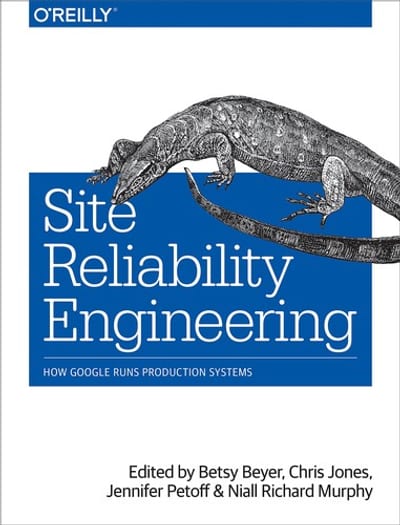
Site Reliability Engineering
How Google Runs Production Systems
by Betsy Beyer, Chris Jones, Jennifer Petoff, Niall Richard Murphy
- Publisher
- O'Reilly
- Year
- 2016
- ISBN
- 9781491929124
Useful when you are: Senior / lead, Manager
Verdict
Should you read it?
Read it if
You work anywhere near production reliability, or you need the vocabulary to discuss what reliability targets actually mean with people who set them casually.
Skip it if
You want a practical implementation guide. Read the companion Workbook for that; this book is largely about principles and Google-scale context.
The argument
What it argues
SRE treats operations as a software engineering problem. The organising mechanism is the error budget: if a service has a reliability objective of 99.9 percent, the remaining 0.1 percent is a budget that can be spent on releases and risk.
That single construct resolves the structural conflict between development wanting to ship and operations wanting stability. Within budget, ship freely. Budget exhausted, releases stop until reliability is restored. The argument becomes arithmetic rather than politics.
For testing, the relevant chapters are on SLIs, SLOs and error budgets, and on monitoring philosophy, because they define what reliability actually means in measurable terms rather than as an aspiration.
Key ideas
Ideas worth taking from it
- 01
Error budgets
The inverse of the reliability objective, treated as a resource that can be spent. The mechanism that converts the release-versus-stability argument into a shared number.
- 02
SLI, SLO, SLA
The indicator you measure, the objective you hold internally, and the agreement you make externally. Precise vocabulary that most organisations use loosely and incorrectly.
- 03
Toil
Manual, repetitive, automatable operational work that scales with service size. Naming and capping it is how SRE avoids becoming traditional operations.
Criticism
What has dated, and what it gets wrong
Heavily Google-shaped, and several chapters describe infrastructure most organisations will never have. It is also a collection of essays by different authors, so it varies in quality and repeats itself. The free online edition makes it easy to read selectively, which is how it should be read.
Reading paths
On our reading paths
Quality in continuous delivery
Book 5 of 5 · Delivery and DevOps
What happens after release: error budgets, monitoring and incident response, which is where much of modern quality work now sits.
 1. The Phoenix Project
 2. Continuous Delivery
 3. Accelerate
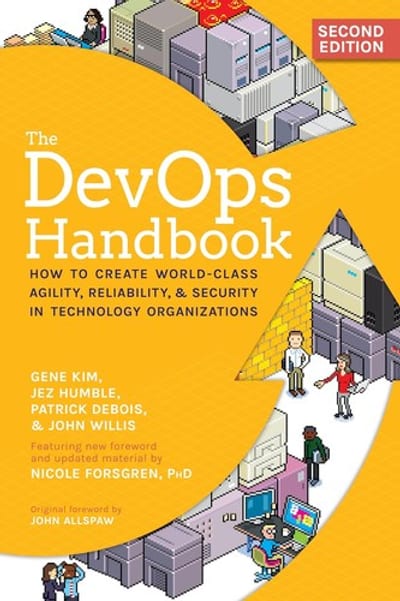 4. The DevOps Handbook
- 5. Site Reliability Engineering (this book)
Performance and reliability
Book 4 of 4 · Performance testing
Turns reliability into targets and error budgets, which is what a performance test result is ultimately measured against.
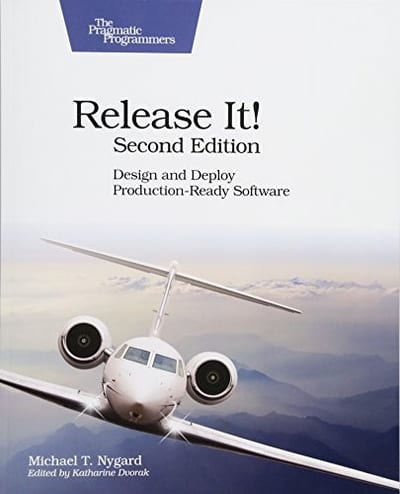 1. Release It!
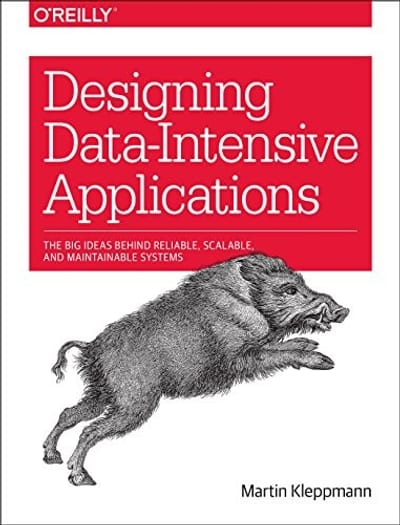 2. Designing Data-Intensive Applications
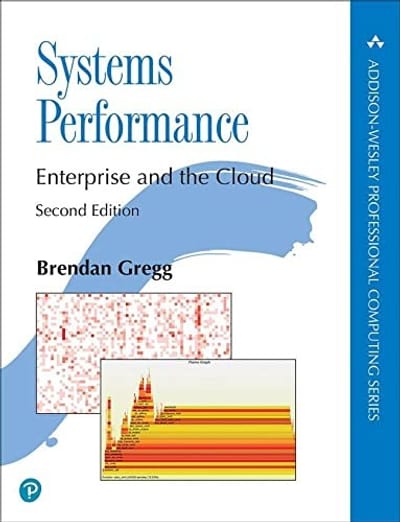 3. Systems Performance
- 4. Site Reliability Engineering (this book)
Keep reading
What to read next
More in Performance & reliability
Reading about quality is cheaper than learning it in production.
QAble runs QA for products in BFSI, gaming, healthcare and SaaS, with engineers who have read these and argued about them. Start with a free QA audit.