


Browse the Knowledge Hub211 resources
The Phoenix Project: is it worth reading?
A business novel about a failing IT organisation, and the most effective way to get non-technical stakeholders to understand flow.
We earn nothing from any link on this page. No affiliate links anywhere in this library.
- published
- 2013
- key ideas
- 3
- reading path
- 1

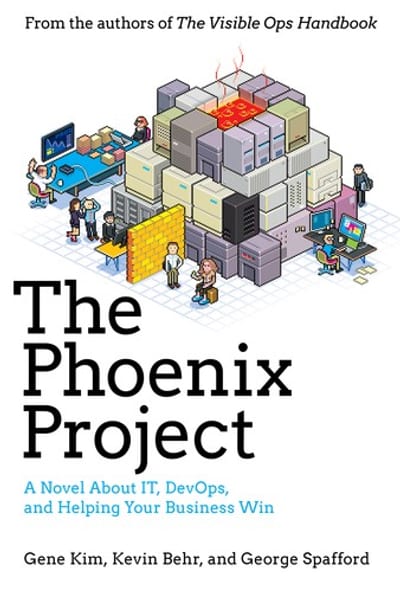
The Phoenix Project
A Novel About IT, DevOps, and Helping Your Business Win
by Gene Kim, Kevin Behr, George Spafford
- Publisher
- IT Revolution
- Year
- 2013
- ISBN
- 9780988262591
Useful when you are: Senior / lead, Manager
Verdict
Should you read it?
Read it if
You need to explain delivery problems to people who do not work in delivery. It is the most effective tool available for that specific job.
Skip it if
You want technical depth or you dislike business fiction. The characters are thin and the plot is a delivery vehicle.
The argument
What it argues
Told as fiction. An IT manager inherits a failing critical project and gradually applies manufacturing theory of constraints to software delivery, discovering that unplanned work, work in progress and handoffs are the constraints rather than individual effort.
The novel form is the point. Technical readers often find it slight, but it is extremely effective at conveying why delivery is slow to executives and business stakeholders who would never read a technical book.
The quality relevance is the treatment of unplanned work: defects escaping to production are the primary source of it, and they consume the capacity that would have prevented more of them.
Key ideas
Ideas worth taking from it
- 01
The four types of work
Business projects, internal projects, changes, and unplanned work. Unplanned work is the one that destroys capacity, and defects are its main source.
- 02
Theory of constraints applied to delivery
Improvement anywhere other than the constraint is an illusion. A deeply useful corrective to optimising whatever is easiest to optimise.
- 03
Work in progress as the enemy
Too much simultaneous work increases lead time and reduces throughput, which is the argument behind work in progress limits.
Criticism
What has dated, and what it gets wrong
The fiction is weak and the resolution is implausibly smooth. More substantively, it has been so widely read that its ideas are now ambient, so a technically experienced reader will find little new. Give it to a stakeholder rather than reading it yourself.
Reading paths
On our reading paths
Quality in continuous delivery
Book 1 of 5 · Delivery and DevOps
A novel, and the quickest way into the ideas. Read it first to recognise the problems the rest of the path solves.
- 1. The Phoenix Project (this book)
 2. Continuous Delivery
 3. Accelerate
 4. The DevOps Handbook
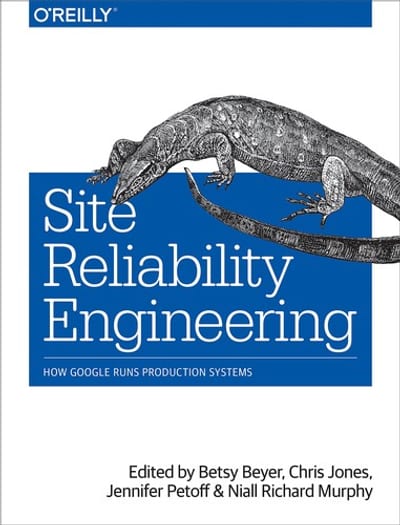 5. Site Reliability Engineering
Keep reading
What to read next
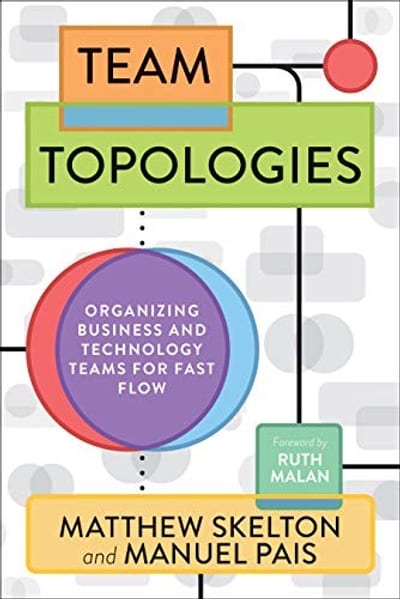
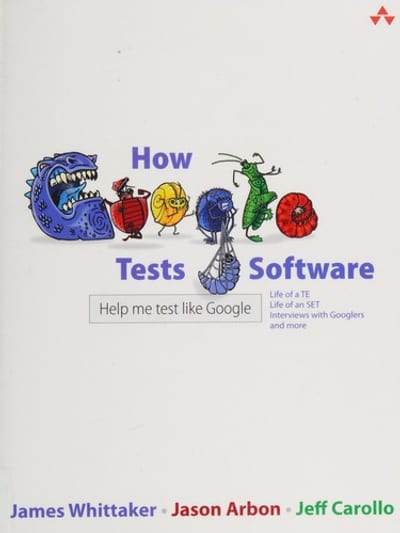
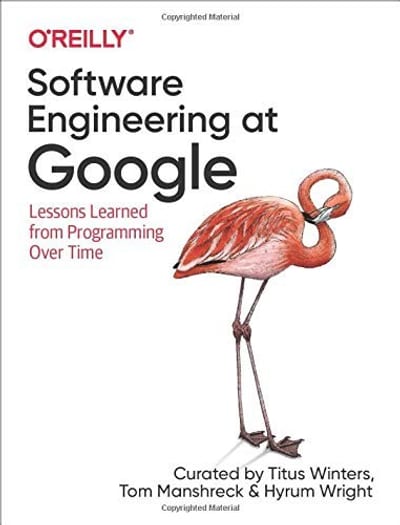
Reading about quality is cheaper than learning it in production.
QAble runs QA for products in BFSI, gaming, healthcare and SaaS, with engineers who have read these and argued about them. Start with a free QA audit.