


Automation testing in 2026 is no longer about writing scripts faster. It is about building quality systems that think, adapt, and scale with your product.
The global software testing market is projected to grow from USD 137,882.81 million in 2026 to over USD 606,924.02 million by 2035.
This represents a 17.9 percent CAGR between 2026 and 2035, signaling aggressive enterprise investment in QA maturity and automation platforms.
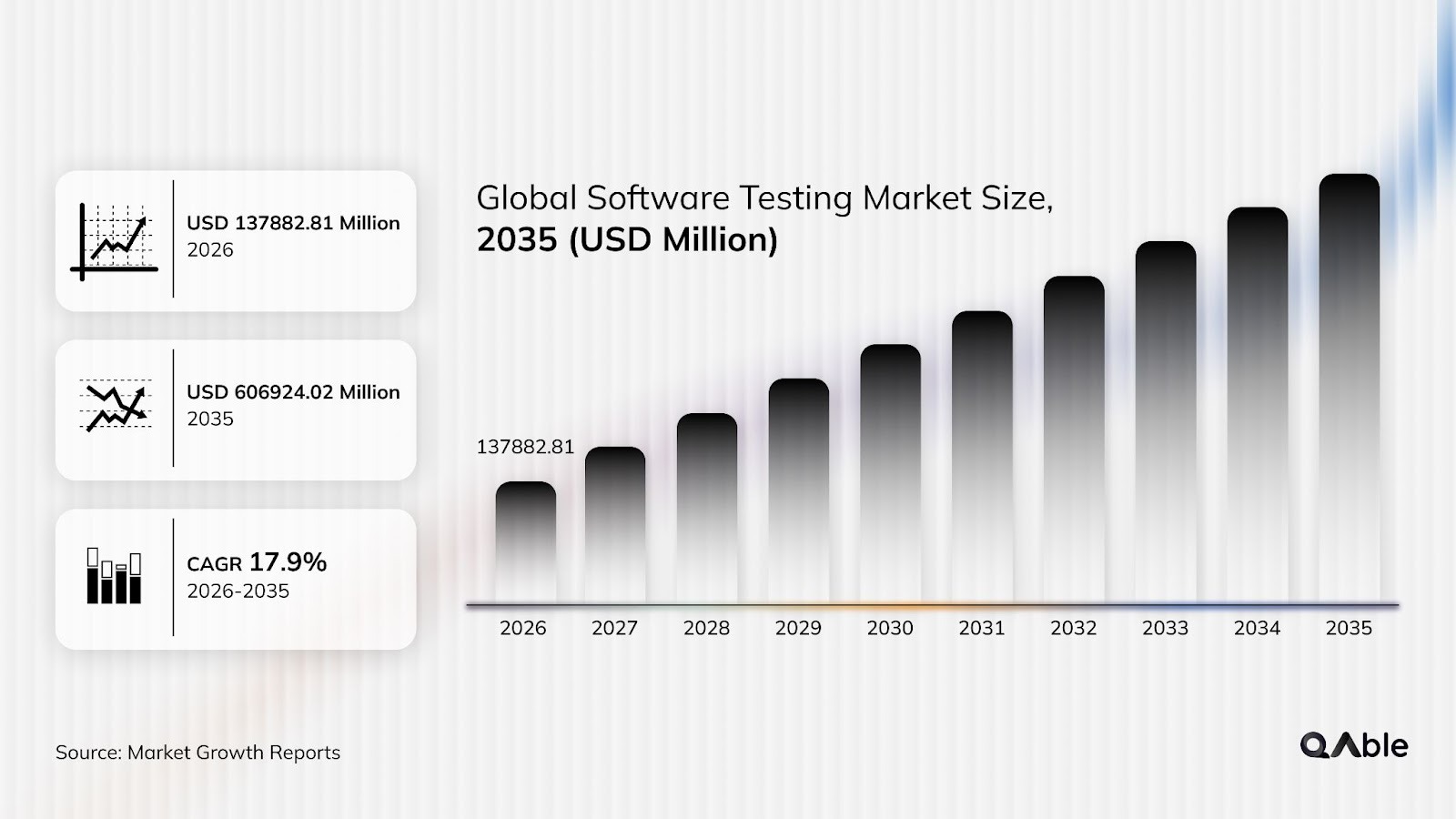
This growth is not being driven by headcount expansion. It is being driven by the shift toward AI-assisted automation, cloud testing infrastructures, and quality intelligence platforms that replace repetitive manual effort with scalable systems.
In short, the market is not just growing. It is redefining what quality means.
By aligning your tool selection with these criteria and market realities, you ensure that your automation strategy is not just ready for today, but engineered for the demands of the next decade.
Must Read: Is AI really improving software testing?
How to Choose a Test Automation Tool in 2026?
Selecting an automation tool today is no longer about picking what’s popular. It is about choosing a system that will scale with your product, your team, and your release velocity.
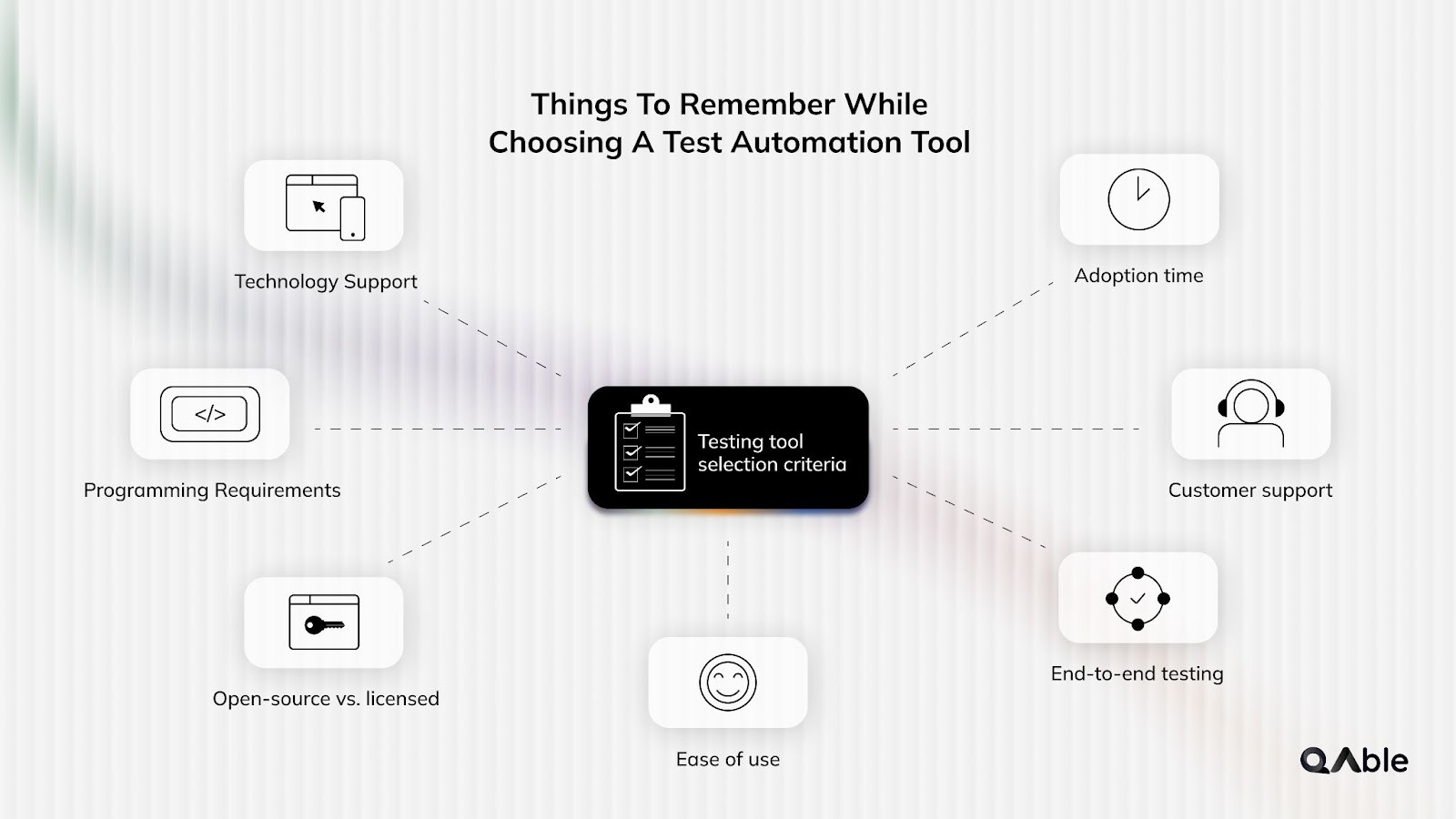
The visual illustrates the core criteria modern QA teams must evaluate before adopting any automation platform.
1. Technology Support
Your automation tool must align with your current and future technology stack. This includes support for modern frameworks, mobile and web platforms, cloud-native architectures, and integration with CI/CD pipelines.
If your tool cannot keep pace with your tech ecosystem, it will slow you down instead of accelerating delivery.
2. Programming Requirements
Automation should not be limited to only hardcore developers. The right tools today allow both technical and non-technical team members to participate through low-code or natural-language approaches, reducing dependency on a few automation specialists.
3. Open-Source vs Licensed Tools
Open-source tools offer flexibility and control, while licensed platforms often provide faster setup, richer reporting, and vendor support. In 2026, the most effective teams use a hybrid strategy, combining open ecosystems with intelligent commercial platforms.
4. Ease of Use
If onboarding takes months, your automation strategy is already failing. Tools must allow quick adoption so QA engineers and developers can start delivering value in weeks, not quarters.
5. Adoption Time
The faster a tool can be embedded into live sprints, the quicker you start seeing ROI. Short adoption cycles are now a deciding factor, especially in high-growth teams.
6. Customer Support
When pipelines fail at midnight before a release, documentation is not enough. Reliable customer and community support determines how fast your teams recover from automation failures.
7. End-to-End Testing Capability
Modern products require validation across UI, APIs, backend services, and integrations. Tools that only test isolated layers no longer meet enterprise expectations.
Must read: What is end-to-end testing?
Top 10 Automated QA Testing Tools in 2026
Below is a practical, 2026-ready breakdown of the tools that matter most right now, what they’re best at, and where teams typically go wrong while adopting them.
Also Read: Best Automation Testing Tools List For 2026
Top 10 Automated QA Testing Tools in 2026 ranked by Use Case:
Rank | Category | Tool | Why Teams Choose It in 2026 |
|---|---|---|---|
#1 | Best Overall Web Automation | Playwright | Combines speed, stability, native parallel execution, and strong SPA support, making it the default choice for modern web stacks. |
#2 | Most Flexible Automation Framework | Selenium | Still unmatched for custom frameworks, enterprise workflows, and deep CI/CD integration when full control is required. |
#3 | Best for Frontend Teams | Cypress | Offers fastest feedback loops, great debugging experience, and seamless developer adoption for UI and component testing. |
#4 | Best Mobile Automation Tool | Appium | Remains the industry backbone for Android and iOS automation across native, hybrid, and cross-platform apps. |
#5 | Best Cloud Automation Platform | LambdaTest | Enables scalable cross-browser and device testing with strong parallel execution and cloud orchestration. |
#6 | Best Real Device Testing Platform | BrowserStack | Excels at reproducing production issues on real devices and browsers, especially for mobile-heavy products. |
#7 | Best Enterprise UI Automation | TestComplete | Strong choice for desktop + legacy ecosystems that require visual object recognition and enterprise support. |
#8 | Best Low-Code Automation Platform | Katalon Platform | Bridges the gap between technical and non-technical testers with a balanced low-code approach. |
#9 | Best Visual AI Testing Tool | Applitools | Industry leader in detecting UI and layout regressions that functional tests simply cannot catch. |
#10 | Best Test Management & Quality Intelligence Tool | TestRail | Acts as the quality command center by connecting automation results with release readiness and risk trends. |
Must read: How to develop a test automation strategy?
1) Playwright (Web UI + API)
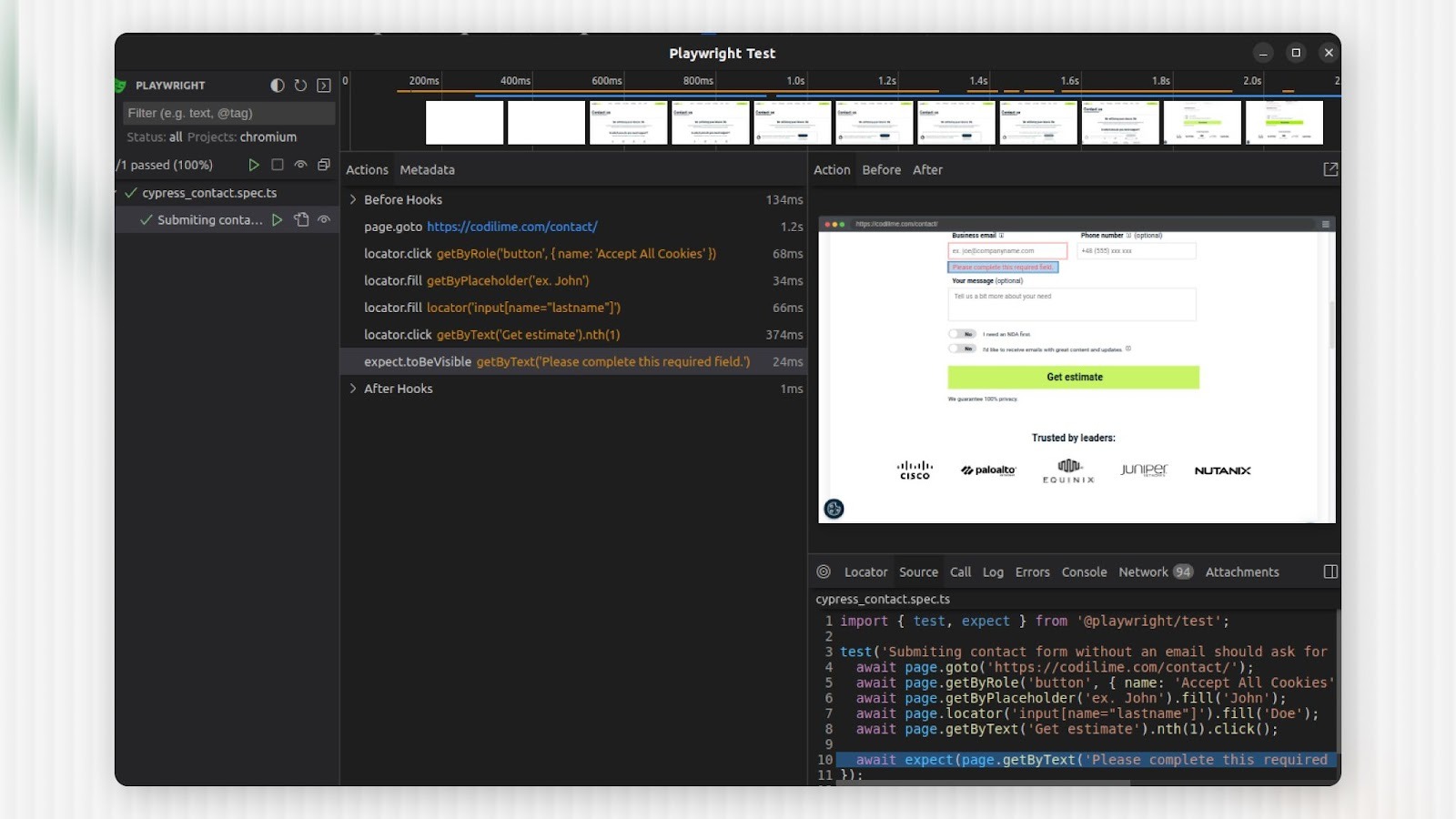
Playwright has become a modern default for web UI automation. It’s fast, reliable, and designed for today’s complex single-page applications.
Where does Playwright add the most value?
- Cross-browser automation with lower flakiness
- Modern web apps (React, Vue, Angular)
- Teams that want clean, maintainable tests
What teams often overlook about Playwright?
- Can be misused by writing UI-heavy suites for everything
- Needs discipline around what belongs in UI vs API layers
How to get more out of Playwright? - Use Playwright for critical user journeys and push most coverage to API-level automation for speed.
Must read: Mastering Playwright End-to-End Testing
2) Selenium Ecosystem (WebDriver, Grid, WebDriverIO)
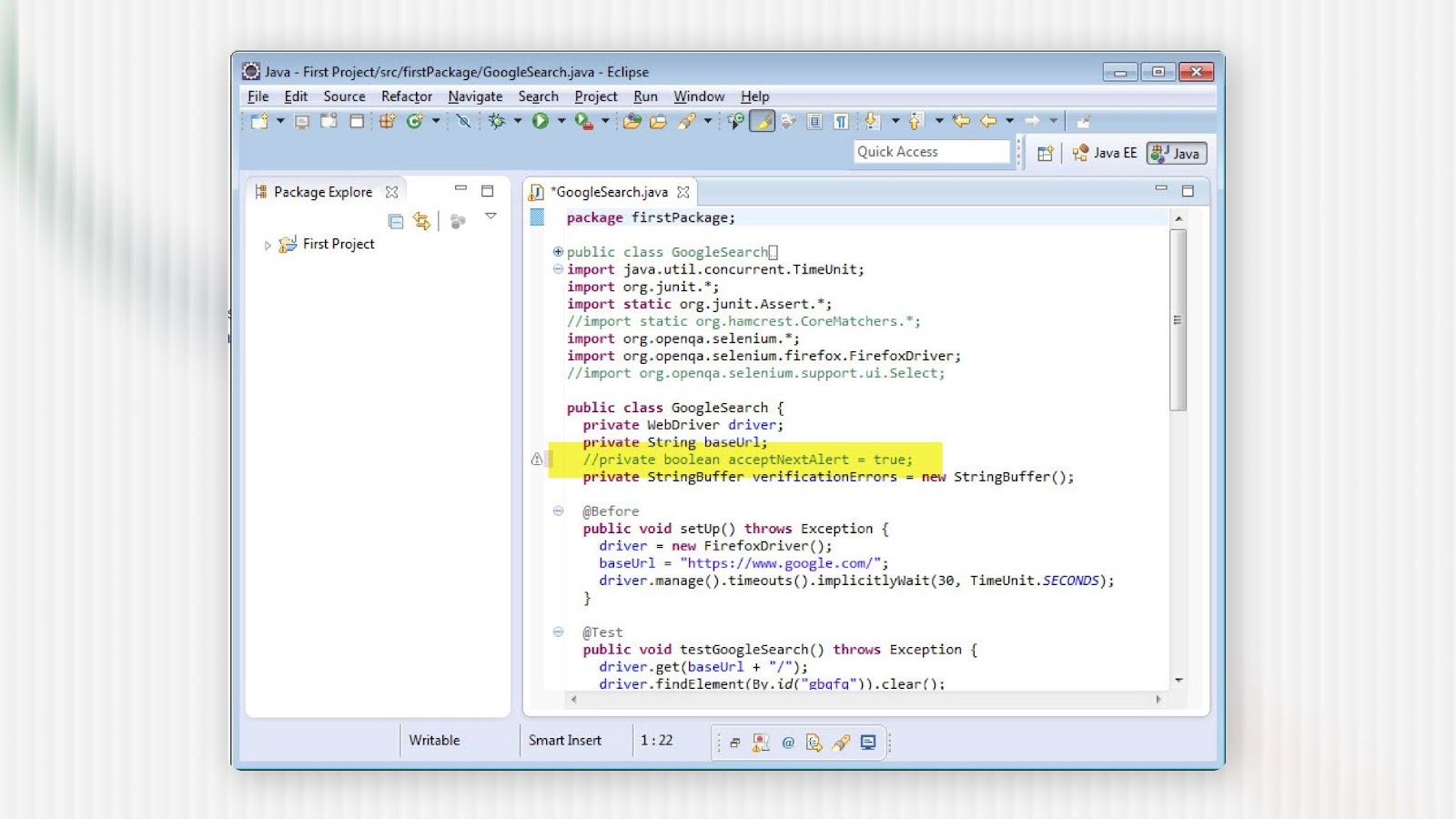
Selenium is still the most flexible backbone for browser automation, especially for teams that want full control over frameworks, language choices, and infrastructure.
Where does Selenium add the most value?
- Large regression suites across multiple browsers
- Custom frameworks with deep CI/CD integration
- Teams that already have strong automation engineering skills
What teams often overlook about Selenium?
- Flakiness rises if waits, selectors, and test data aren’t engineered well
- Requires solid framework ownership (it’s not “plug and play”)
How to get more out of Selenium? - Pair Selenium with a good test runner (JUnit/TestNG/PyTest), strong reporting, and stable locator strategy, or you’ll spend more time maintaining than testing.
3) Cypress (Web UI + Component Testing)
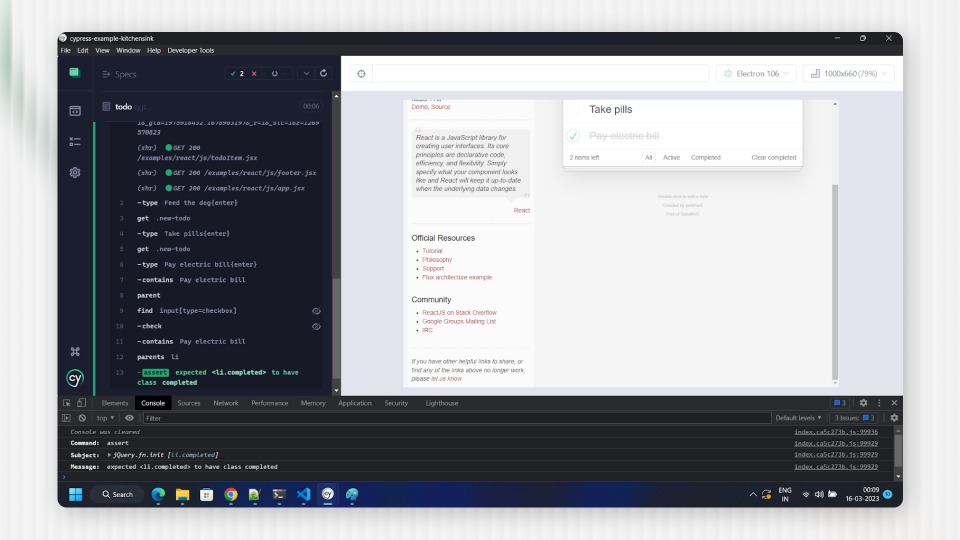
Cypress is loved by frontend teams because it offers quick feedback, great debugging, and a developer-first experience.
Where does Cypress add the most value?
- Fast UI verification inside dev workflows
- Component testing for UI libraries/design systems
- Teams that want tests to run alongside app development
What teams often overlook about Cypress?
- Scaling large suites needs good CI parallelization strategy
- Certain cross-origin patterns can require extra setup
How to get more out of Cypress? - Treat Cypress as “fast confidence” tooling, not a replacement for end-to-end environments and backend validation.
Must read: Playwright vs Cypress: Choosing the Right Web Automation Tool
4) Appium (Mobile Automation)
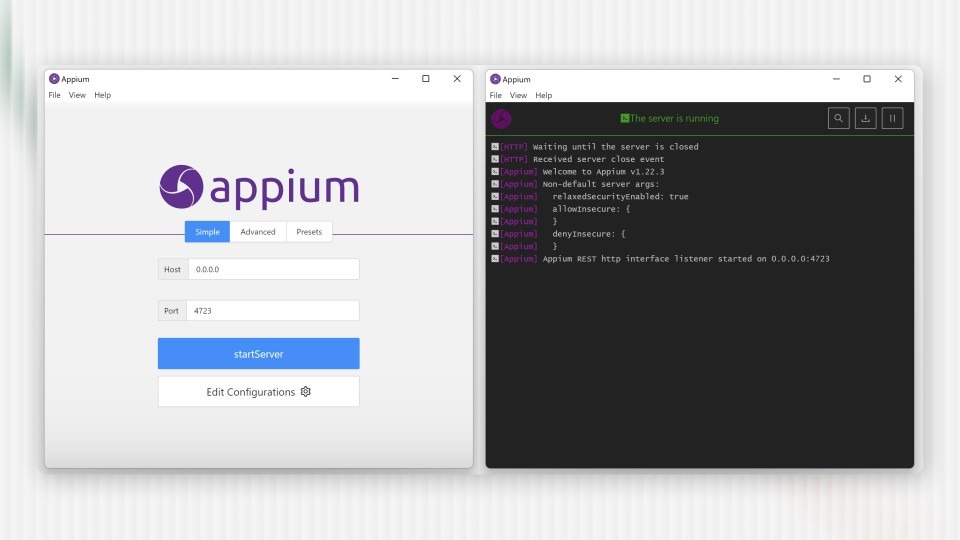
Appium remains the most widely adopted open framework for mobile automation across iOS and Android. It’s still the core tool when you need cross-platform coverage without vendor lock-in.
Where does Appium add the most value?
- Native and hybrid app automation
- Cross-device workflows on real devices
- Teams that need flexibility across stacks and languages
What teams often overlook about Appium?
- Mobile automation becomes unreliable if device farm + stability strategy is weak
- Requires disciplined page object patterns and robust locators
How to get more out of Appium? - Don’t treat emulators as “good enough” for final confidence. Critical flows must run on real devices.
Must read: Mobile app testing automation guide
5) LambdaTest (Cloud Browser + Real Device Testing)
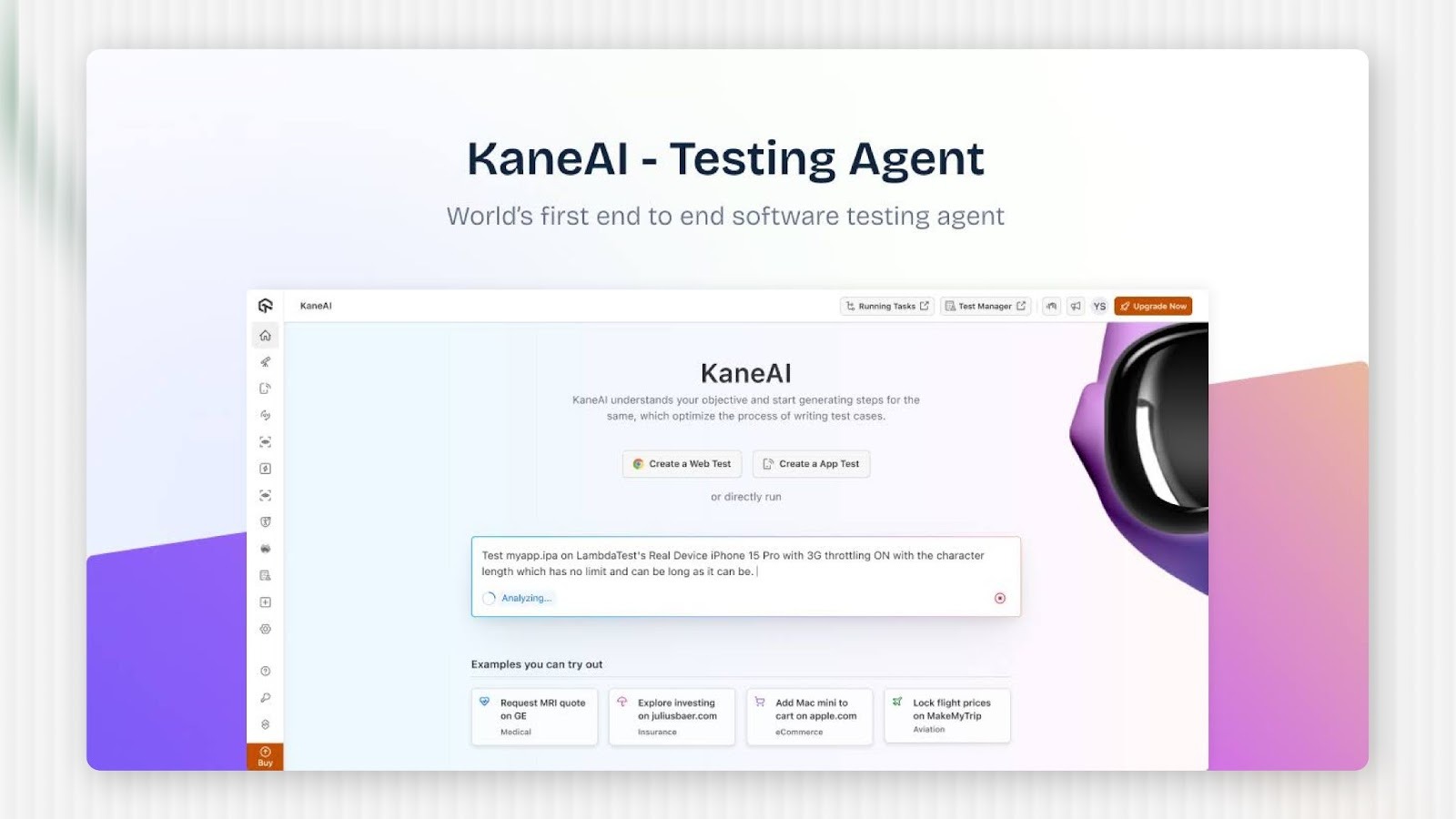
LambdaTest is a common choice for teams that need scalable, cloud-based execution across browsers and devices without building infrastructure.
Where does LambdaTest add the most value?
- Cross-browser testing coverage at scale
- Distributed QA and dev teams
- Parallel execution for faster pipelines
What teams often overlook about LambdaTest?
- Test stability depends on environment setup and network simulation choices
- Costs can rise if you run everything in cloud without prioritization
How to get more out of LambdaTest? - Use cloud runs for breadth (matrix coverage), and keep a smaller “golden suite” for deep end-to-end confidence.
6) BrowserStack (Cross-Browser + Real Device Cloud)
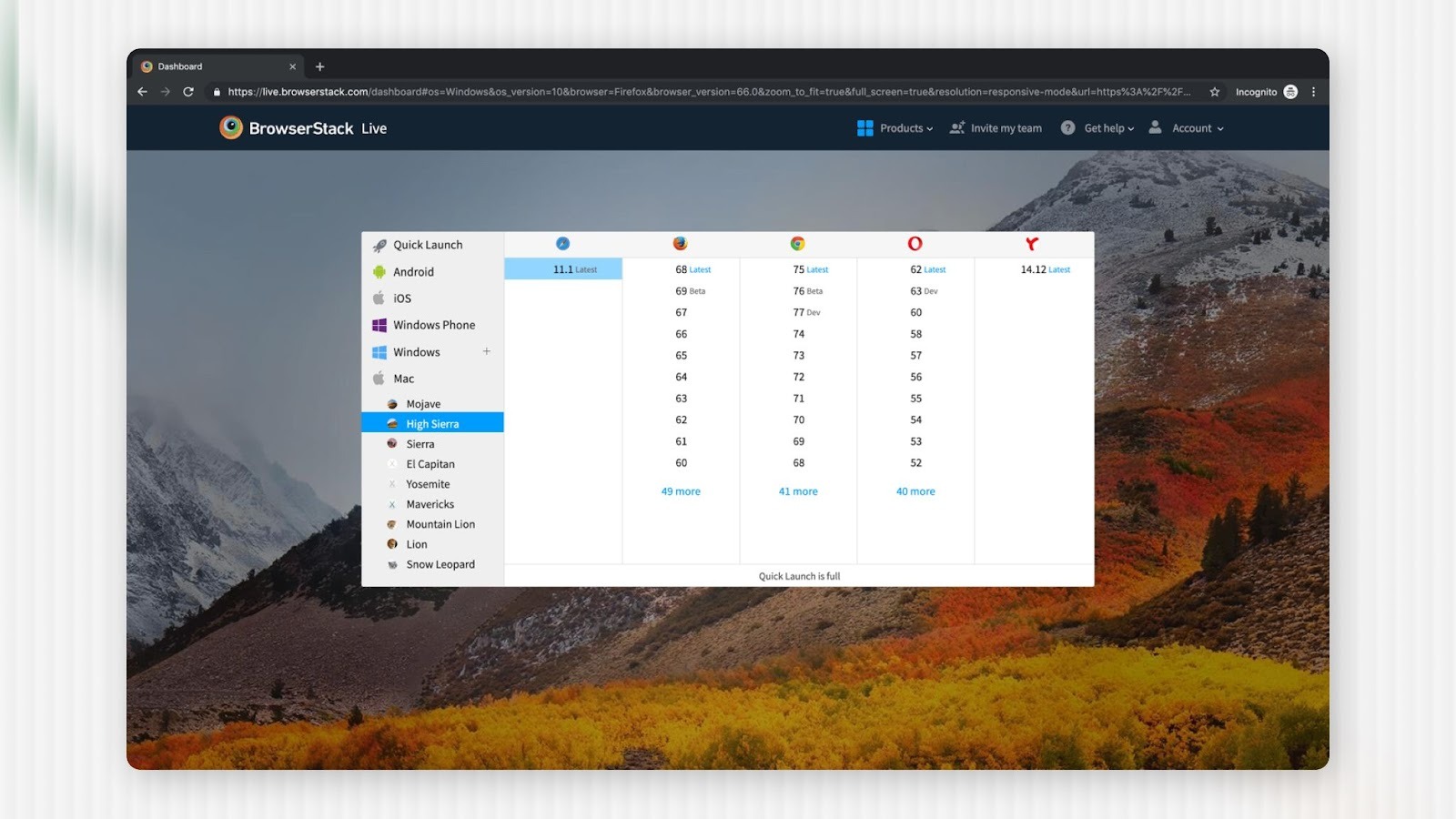
BrowserStack is strong for real device testing and quick reproducibility of production-like issues, especially when device coverage and reliability matter.
Where does BrowserStack add the most value?
- Real-world device validation across iOS/Android
- Quick reproduction of browser/device-specific bugs
- Teams needing reliable device lab access
What teams often overlook about BrowserStack?
- If you don’t define a risk-based device matrix, you’ll over-test and under-learn
- Requires smart selection of devices that represent real users
How to get more out of it? - Build your device matrix from analytics (top devices, OS versions, regions), not guesses.
7) TestComplete (Enterprise UI Automation)
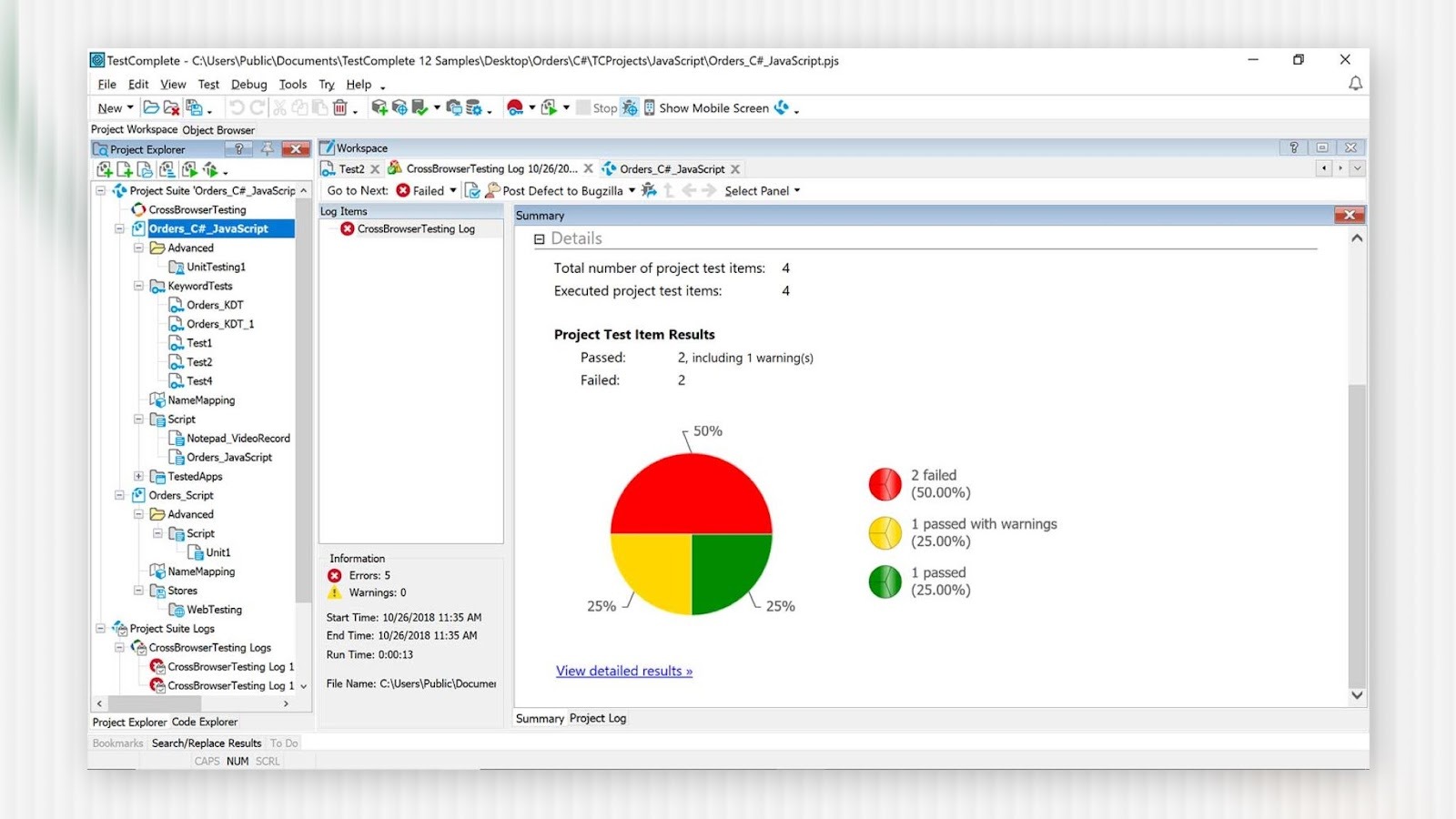
TestComplete is a mature commercial tool that supports desktop, web, and mobile UI automation, often used in enterprise environments that need strong vendor support and broad UI technology coverage.
Where does TestComplete add the most value?
- Desktop app automation (where open tools struggle)
- Mixed portfolios (web + desktop + legacy)
- Teams needing enterprise support and reporting
What teams often overlook about TestComplete?
- Can encourage record-and-playback habits that don’t scale
- Needs good framework patterns even if it’s “low code”
How to get more out of TestComplete? - Use recording to accelerate initial setup, but refactor into maintainable modules fast.
8) Katalon Platform (Low-Code Automation for Web/API/Mobile)
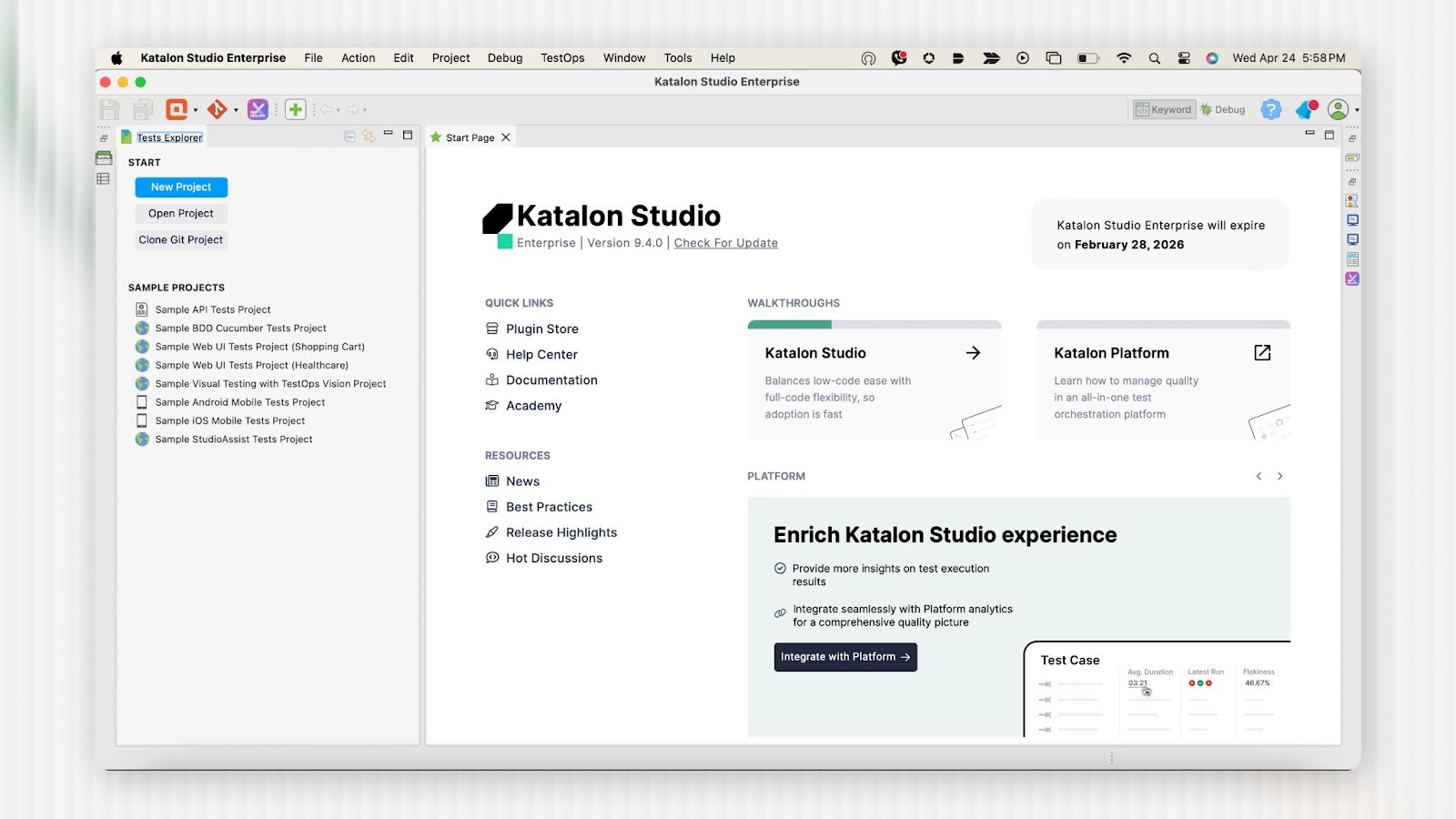
Katalon is popular for teams that want a faster ramp-up with low-code options while still keeping room for scripting when needed.
Where does Katalon add the most value?
- Teams with mixed skill levels
- Quick setup for web + API + mobile automation
Built-in reporting for stakeholder visibility
What teams often overlook about Katalon?
- Long-term success depends on good test design and structure
- Avoid turning it into a “tool-only QA strategy”
How to get more out of Katalon? - Define ownership early. Tools don’t maintain themselves; teams do.
9) Applitools (Visual AI Testing)
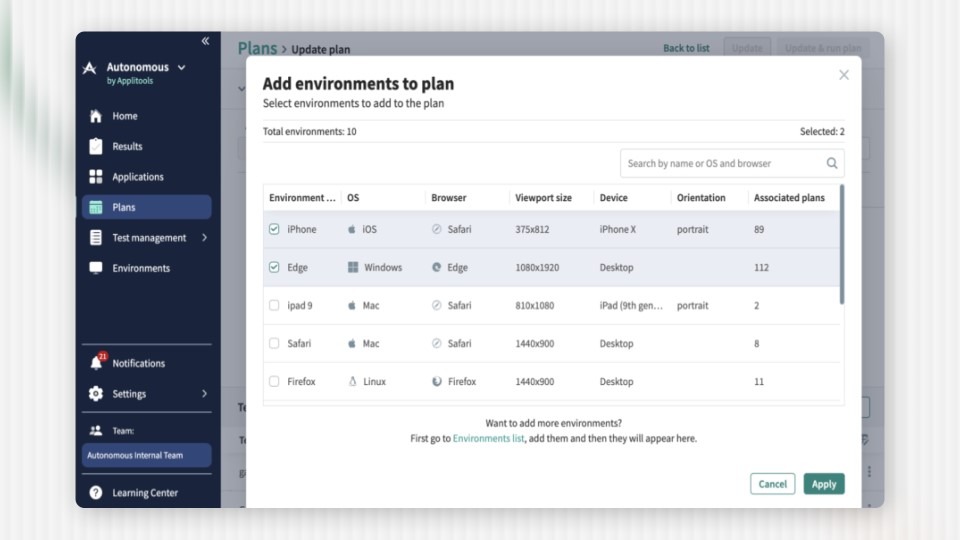
Applitools tackles one of the most expensive failure modes: visual regressions that functional tests miss. This becomes crucial in responsive design, theming, localization, and dynamic UI content.
Where does Applitools add the most value?
- Visual UI validation across browsers/devices
- Catching layout shifts, CSS breaks, and rendering bugs
- Scaling UI checks without manual screenshot review
What teams often overlook about Applitools?
- Needs correct baselines and review discipline
- Not a replacement for functional correctness testing
How to get more out of Applitools? - Use visual AI on pages that change often (checkout, onboarding, pricing) where a small UI shift can kill conversion.
10) TestRail (AI-Enhanced Test Management)
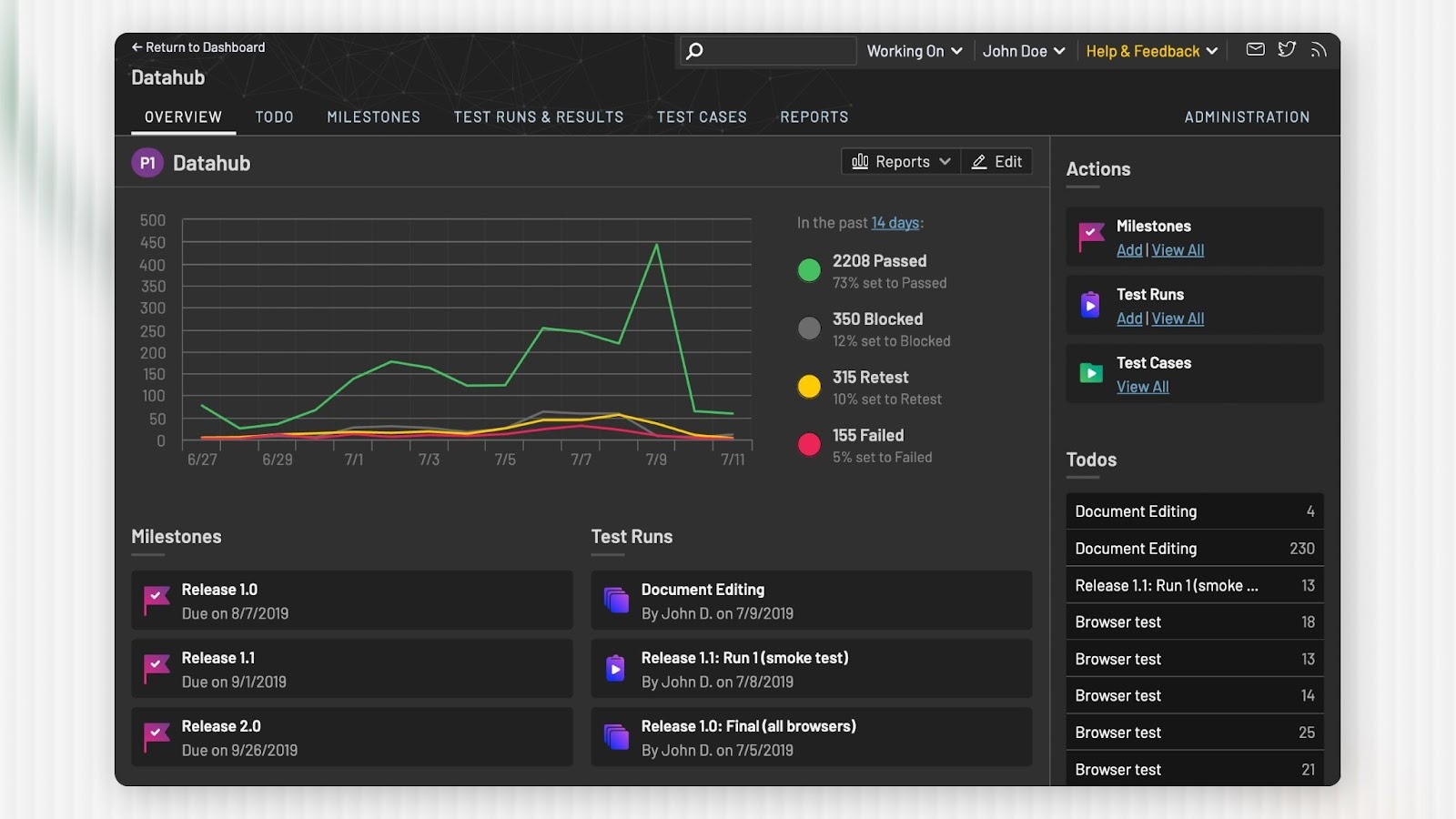
TestRail has evolved into a modern quality intelligence hub rather than just a test case repository. With AI-assisted insights, advanced reporting, and deep CI/CD integrations, it connects automation results directly to business risk.
Where does TestRail add the most value?
- Centralized management of manual and automated tests
- Traceability between requirements, test cases, and defects
- Trend analysis on failure patterns and release readiness
What teams often overlook about TestRail?
- Requires disciplined tagging and test structure to unlock full value
- Should be paired with execution tools like Playwright, Appium, or Selenium
How to get more out of TestRail? - Treat TestRail as your quality command center. The clearer your structure, the more intelligence you gain about where quality is truly at risk.
Final Thoughts
By 2026, automation testing has matured beyond traditional scripts and frameworks. With AI integration, cloud-based execution, and orchestration platforms becoming mainstream, QA teams can accelerate delivery without trading off quality.
The tools listed above reflect how modern QA automation is evolving: adaptable, intelligent, and built for continuous quality at scale. Increasingly, teams are organizing their QA function more like a test lab than a support role, where experiments, benchmarks, failure patterns, and real-world simulations guide every release.
This is the same philosophy followed at QAble, where quality is treated as a system to be observed and engineered, not just a checklist to be completed. We operate as a quality intelligence lab that supports teams through automation framework engineering, CI/CD pipeline integration for automated testing, web and mobile test automation services across iOS and Android, visual AI and UI regression automation, and quality intelligence with advanced automation reporting.
Mastering these tools and embedding them into a long-term quality engineering strategy helps teams release faster, detect defects earlier, and sustain user trust.
Stay updated, experiment early, and remember automation is not just executing tests. It is engineering confidence in every release.
Must Read: Measuring test automation’s business impact